Navigating the Skies: A Quick Guide to Drone Regulations in Europe
- May 27, 2025
- 6 min read
Drones are transforming industries, offering innovative solutions for everything from intricate inspections and precise mapping to captivating aerial photography. If your business is looking to leverage the power of commercial drone services in Europe, understanding the regulatory landscape is crucial. The European Union Aviation Safety Agency (EASA) has established a comprehensive framework to ensure drone operations are safe, secure, and respectful of privacy. This guide provides a clear, accessible overview of these regulations, helping you make informed decisions and choose compliant partners.
Understanding the Sky: EASA's Risk-Based Approach
At the heart of EASA's drone regulations is a risk-based approach. Instead of a one-size-fits-all set of rules, operations are categorized based on the level of risk they pose. This means the requirements for a simple aerial photograph in an open field are very different from those for a complex inspection near a populated area or beyond the pilot's line of sight.
For businesses seeking drone services, understanding these categories is key to appreciating the capabilities and legal obligations of your chosen drone operator.

Decoding the Drone Categories: What They Mean for Your Business
EASA has defined three main categories for drone operations: Open, Specific, and Certified.
1. The Open Category: For Simpler, Low-Risk Tasks
Think of the Open Category as the starting point for many drone operations. It's designed for flights that present a low risk to third parties.
What it means in simple terms: These are generally simpler operations, like basic aerial photography of a property in a clear area, visual checks of a roof (with no bystanders), or small-scale mapping in uncrowded environments.
Key characteristics for clients:
Visual Line of Sight (VLOS): The drone must always remain within the remote pilot's sight.
Altitude Limit: Operations are typically restricted to a maximum of 120 meters (approx. 400 feet) above the ground.
Drone Specifications: Specific drone classes (C0-C4, based on weight and capabilities) dictate where and how they can be flown, particularly concerning proximity to people.
No flights over assemblies of people.
Operator Obligations: The drone operator must be registered, and the remote pilot must have completed the required online training and examination for the relevant subcategory.
What clients can expect: Services in this category are often more straightforward to arrange and potentially more cost-effective due to the lighter regulatory burden on the operator. However, the scope of work is limited by the category's inherent restrictions. Always ensure your operator is registered and the pilot is appropriately qualified.
2. The Specific Category: For Tailored & More Complex Operations
When a planned drone operation exceeds the limitations of the Open Category, it falls into the Specific Category. This category covers a vast range of commercial activities that carry a moderate level of risk.
What it means in simple terms: This is where most specialized commercial drone services operate. Examples include:
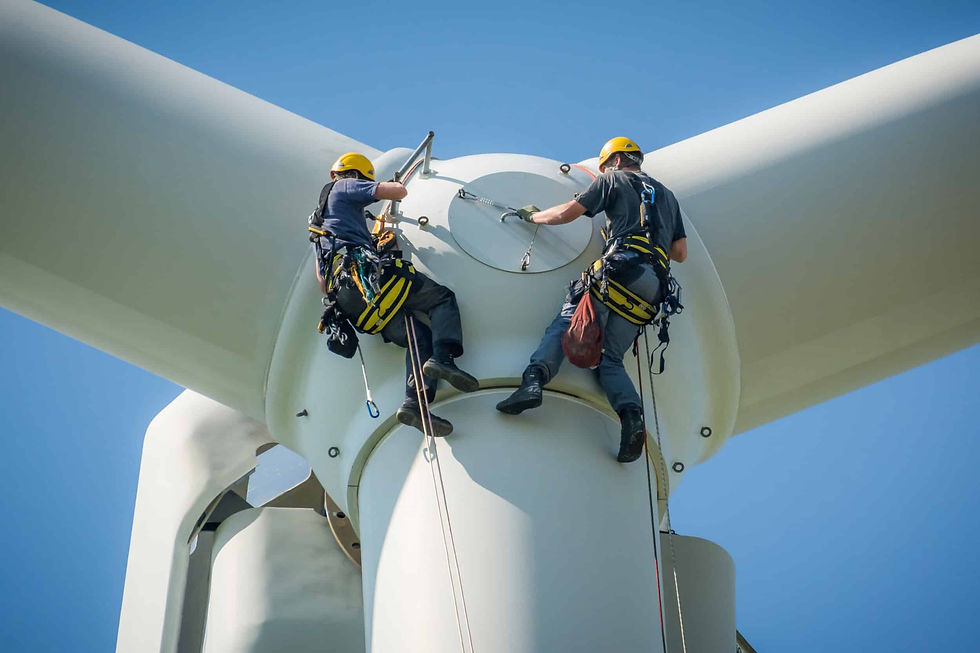
Inspections of wind turbines or power lines, especially if Beyond Visual Line of Sight (BVLOS) is required.
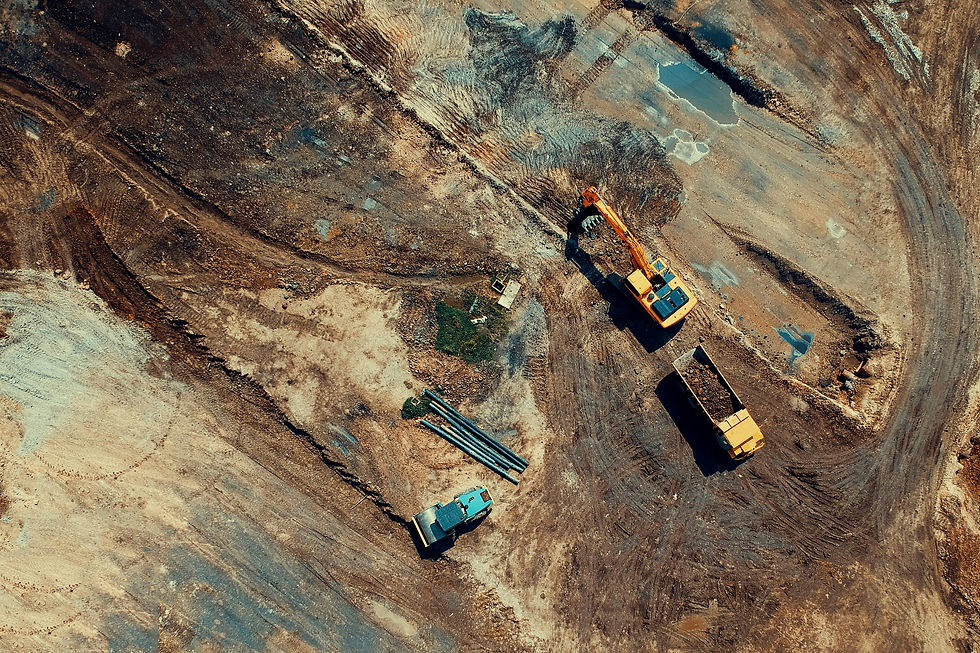
Detailed surveying and mapping of large areas or in environments with some population density.
Aerial work using specialized sensors that might require heavier drones.
Any operation needing to fly closer to people than permitted in the Open Category, or slightly beyond VLOS with mitigations.
Key characteristics for clients:
Operational Authorisation: This is the cornerstone of the Specific Category. The drone operator must obtain an operational authorisation from their National Aviation Authority (NAA) before conducting the flight. This involves a detailed risk assessment process.
SORA (Specific Operations Risk Assessment): For many operations, the operator will conduct a SORA. This is a comprehensive methodology to identify risks and define necessary safety measures.
Standard Scenarios (STS): For certain common types of operations (e.g., VLOS flights over a controlled ground area in a populated environment), EASA has defined Standard Scenarios. If an operation fits an STS, the operator can submit a declaration to the NAA, which is a simpler process than a full SORA, but still requires strict adherence to the scenario's conditions.
What clients can expect: Engaging an operator in the Specific Category means they have undergone a rigorous safety assessment and have official permission for that type of mission. This provides a high level of assurance for more demanding projects. Expect more detailed planning and potentially higher costs due to the complexity of obtaining and maintaining these authorisations. Always ask for proof of their Operational Authorisation relevant to your project.
3. The Certified Category: For the Highest Risk Operations
The Certified Category is reserved for drone operations that carry the highest level of risk, comparable to manned aviation.
What it means in simple terms: This category is primarily for future, very high-risk operations, such as:
Transporting passengers (e.g., "drone taxis" or Urban Air Mobility).
Carrying dangerous goods over populated areas.
Large cargo drones flying in controlled airspace alongside traditional aircraft.
Key characteristics for clients:
Stringent Certification: The drone itself, the operator, and the remote pilot will all require certification, much like in traditional aviation.
What clients can expect: For most current commercial drone services like inspections and mapping, your operator will likely not be operating in the Certified Category. It represents the highest tier of drone regulation and is paving the way for future advanced air mobility solutions.
Why Choosing a Compliant Drone Operator is Non-Negotiable
Partnering with a drone operator who is fully compliant with EASA regulations isn't just about ticking boxes; it's fundamental to the success and safety of your project and the protection of your business.
Mitigating Your Risks:
Legal & Financial Peace of Mind: A compliant operator holds the necessary registrations, pilot competencies, and (if in the Specific Category) Operational Authorisations. This means your project is being conducted legally, shielding your business from potential fines, legal action, and operational bans that can arise from non-compliant activities.
Ensuring Safety: EASA regulations are built on safety. Compliant operators adhere to strict operational procedures, maintenance schedules, and pilot training standards. This significantly minimizes the risk of accidents, damage to property, or harm to individuals. They will also have appropriate emergency procedures in place.
Protecting Your Reputation: An incident involving a non-compliant drone service can lead to significant negative publicity, damaging your brand and eroding customer trust. Associating with a professional, safety-conscious, and legally compliant operator reflects positively on your business.
Validating Insurance: In the unfortunate event of an incident, insurance coverage can be invalidated if the drone operation was not compliant with regulations. Compliant operators will have the necessary insurance, and their adherence to rules helps ensure its validity.
What to Look For in a Drone Operator:
When evaluating potential drone service providers, ensure they can demonstrate:
Operator Registration: They should be registered as a UAS operator in their respective EU member state.
Remote Pilot Competency: Their pilots must possess the correct training certificates and qualifications for the type of operation being proposed (e.g., A1/A3 proof of online training for Open Category, or more advanced qualifications for Specific Category).
Operational Authorisation (for Specific Category): If the service falls under the Specific Category, ask to see their Operational Authorisation from the NAA, or their declaration if operating under a Standard Scenario. Ensure it covers the type of operation you require.
Understanding of Regulations: They should clearly understand the EASA rules applicable to your project and be able to explain how they will comply.
Professional Approach to Safety: Look for evidence of a strong safety culture, including pre-flight planning, risk assessments, and emergency protocols.
Appropriate Insurance: Verify they have valid liability insurance covering drone operations.
The Dangers of Cutting Corners: Risks of Using Non-Compliant Operators
Opting for a seemingly cheaper, non-compliant operator can expose your business to severe consequences:
Legal Trouble: Hefty fines and legal liabilities if caught or if an incident occurs.
Safety Hazards: Increased risk of accidents, injuries, and property damage.
Reputational Damage: Negative press and loss of public trust.
Insurance Nightmares: Claims being denied, leaving your business financially exposed.
Invest in Confidence and Compliance
EASA's drone regulations are designed to foster a safe and reliable drone industry. For businesses seeking commercial drone services, understanding this framework and diligently choosing a compliant operator is not just advisable – it's an essential investment. It ensures your projects are conducted legally, safely, and effectively, allowing you to harness the transformative power of drone technology with confidence.
Before you launch your next aerial project, make sure to ask potential drone service providers about their EASA compliance. It's a conversation that protects your interests and contributes to a safer sky for everyone.